
Composting with ZWSV
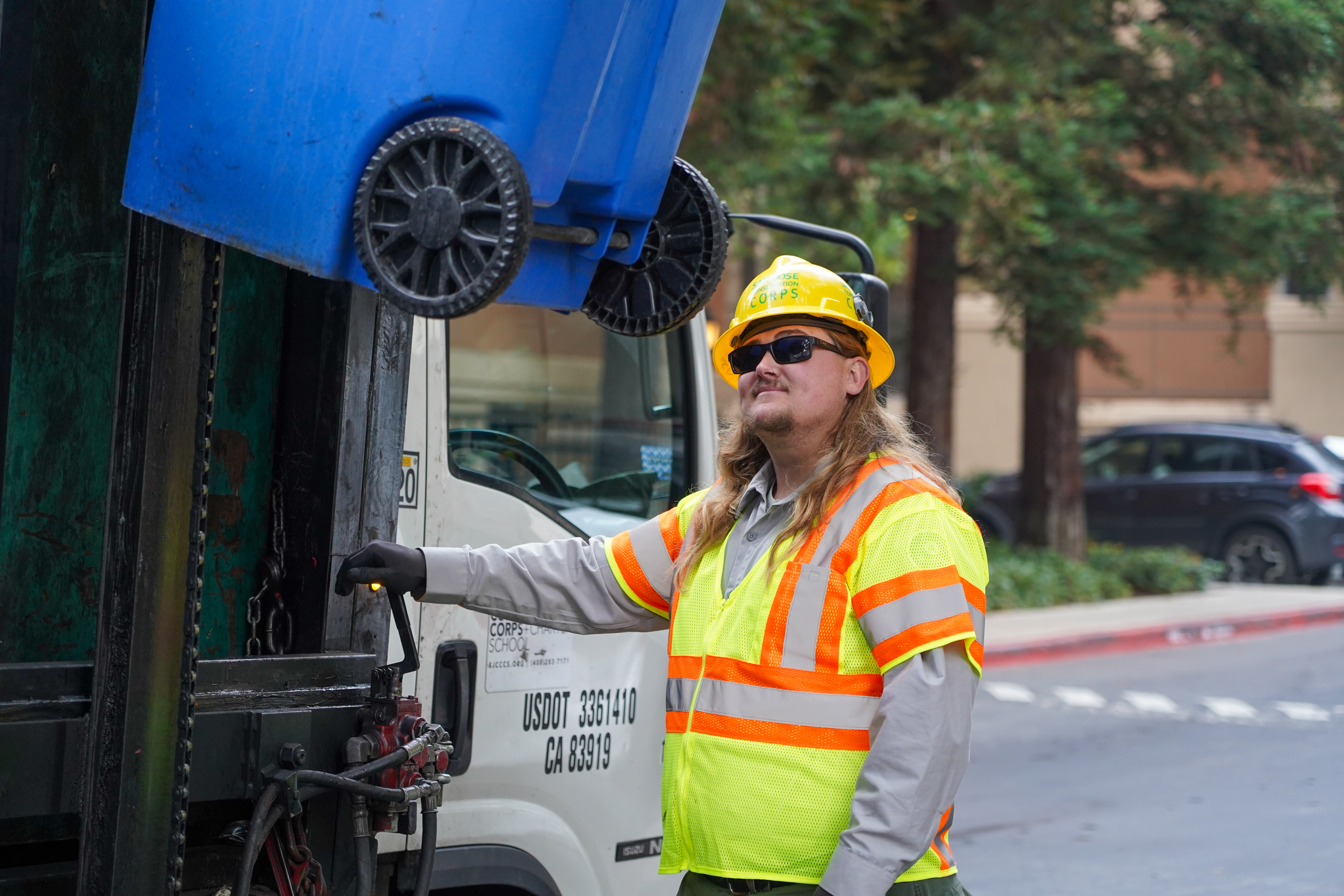
Have you ever wondered what happens to your food scraps after we collect them?
We use them to make compost!
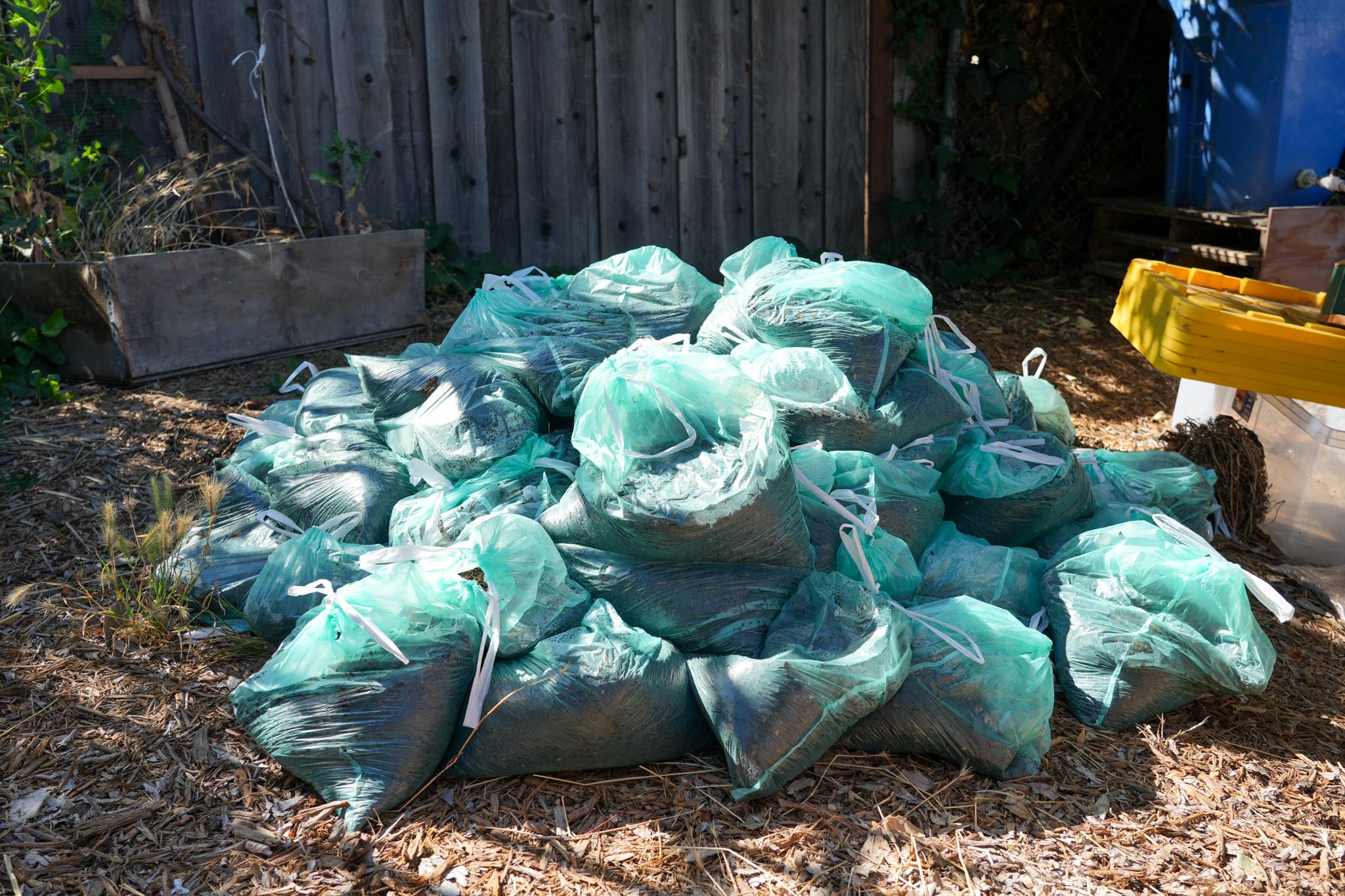
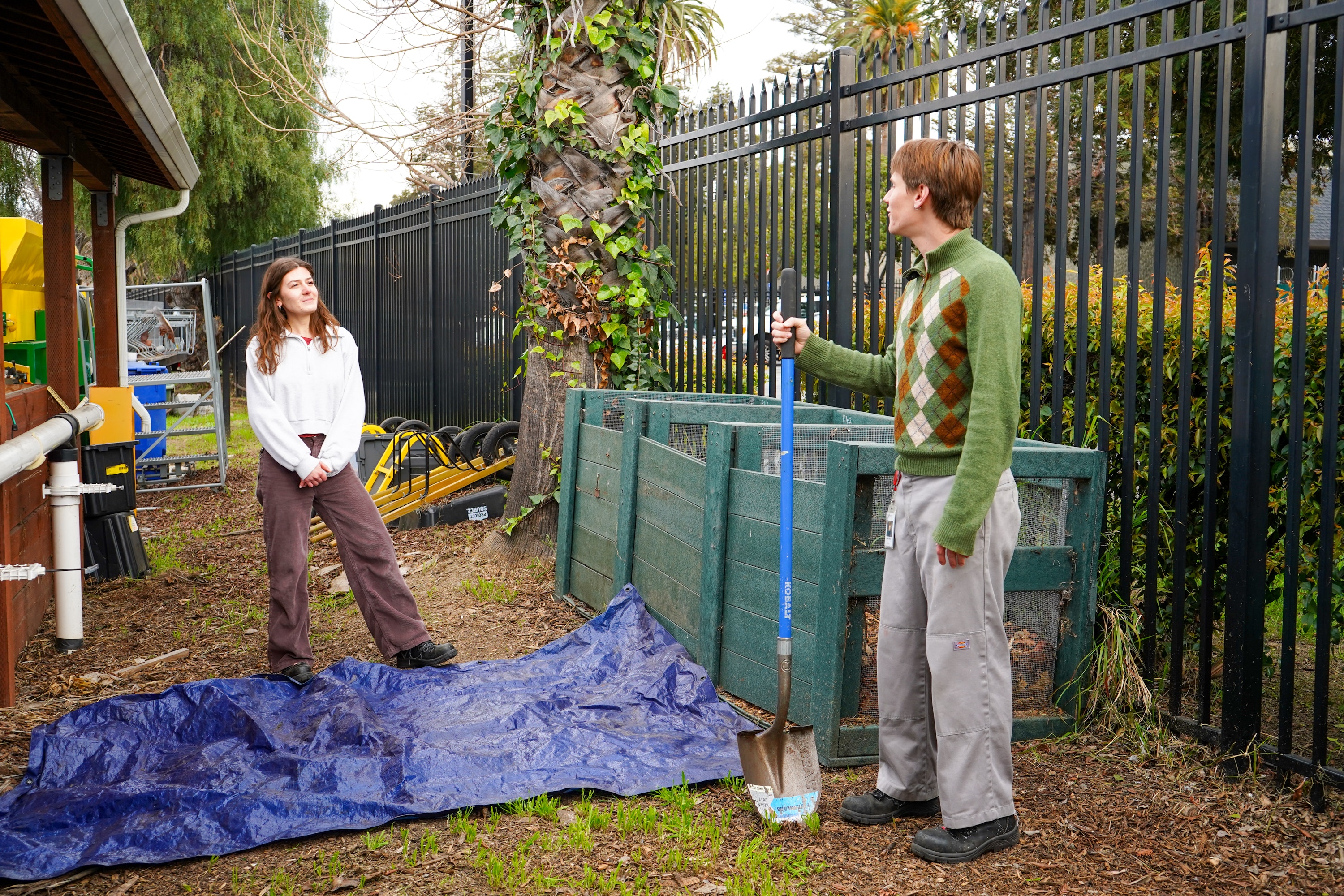
Composting is a multi-step process that our California Climate Action Corps fellows follow. They ensure that the public can receive free compost monthly on Zero Waste Saturdays!
What are the steps of composting? In order to create compost, you must first prepare your bin, then gather your browns and greens.
Browns include straw, shredded paper, shredded cardboard, dry leaves, and egg shells. Greens include coffee grounds, vegetable and fruit scraps, and grass clippings.
Then, you build your pile by mixing the browns and greens to create layers!
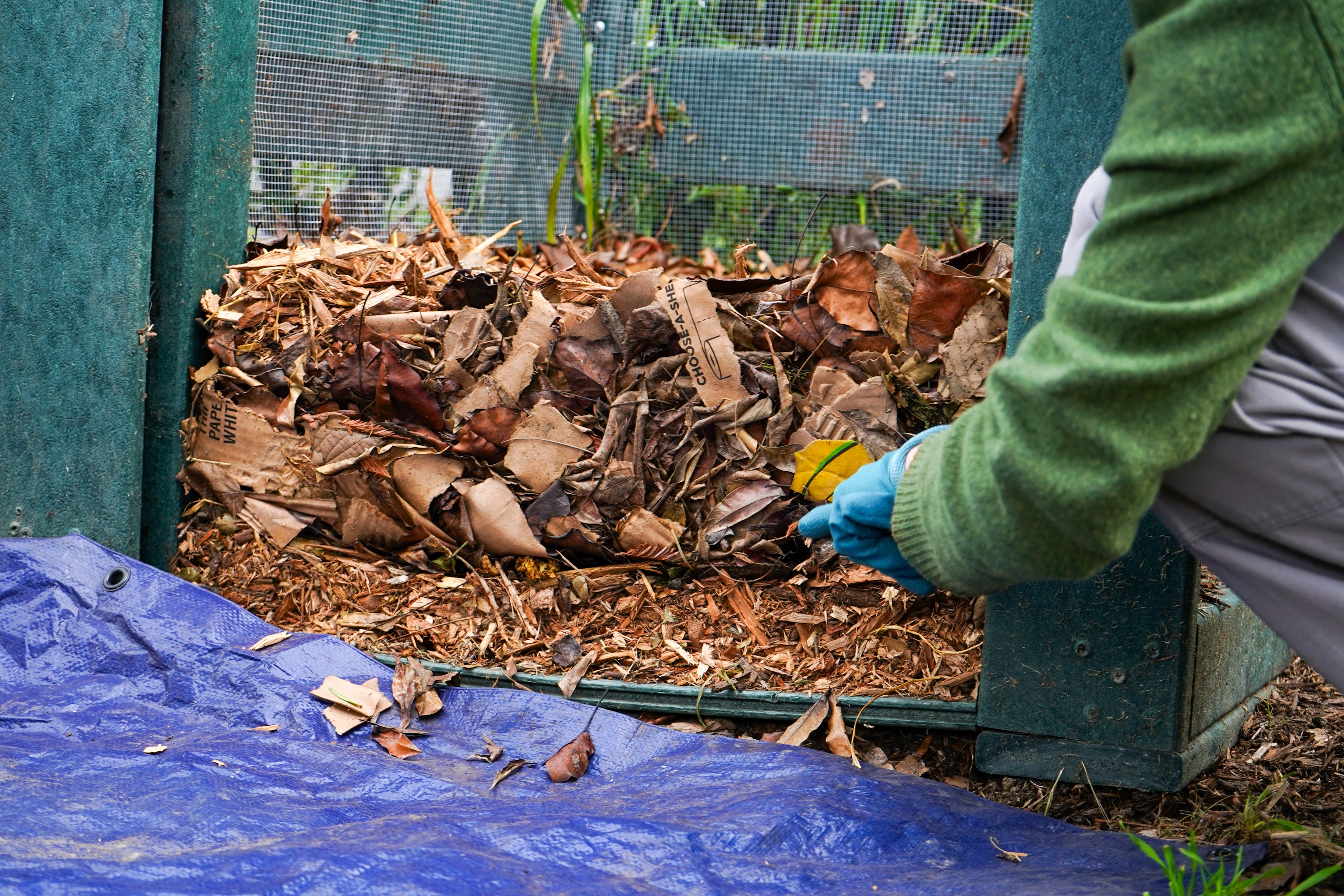
Ensure that your compost pile is moist by watering it.
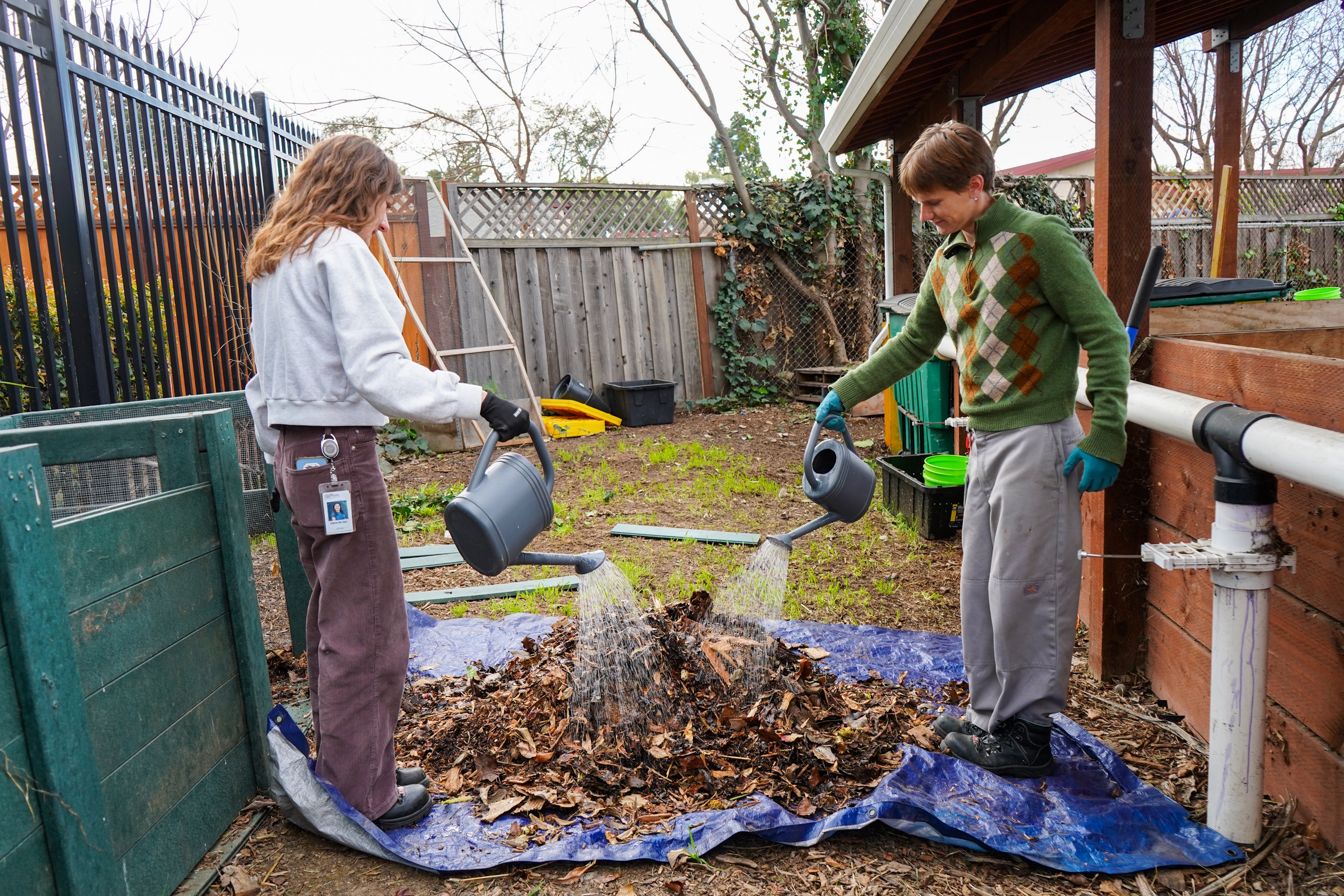
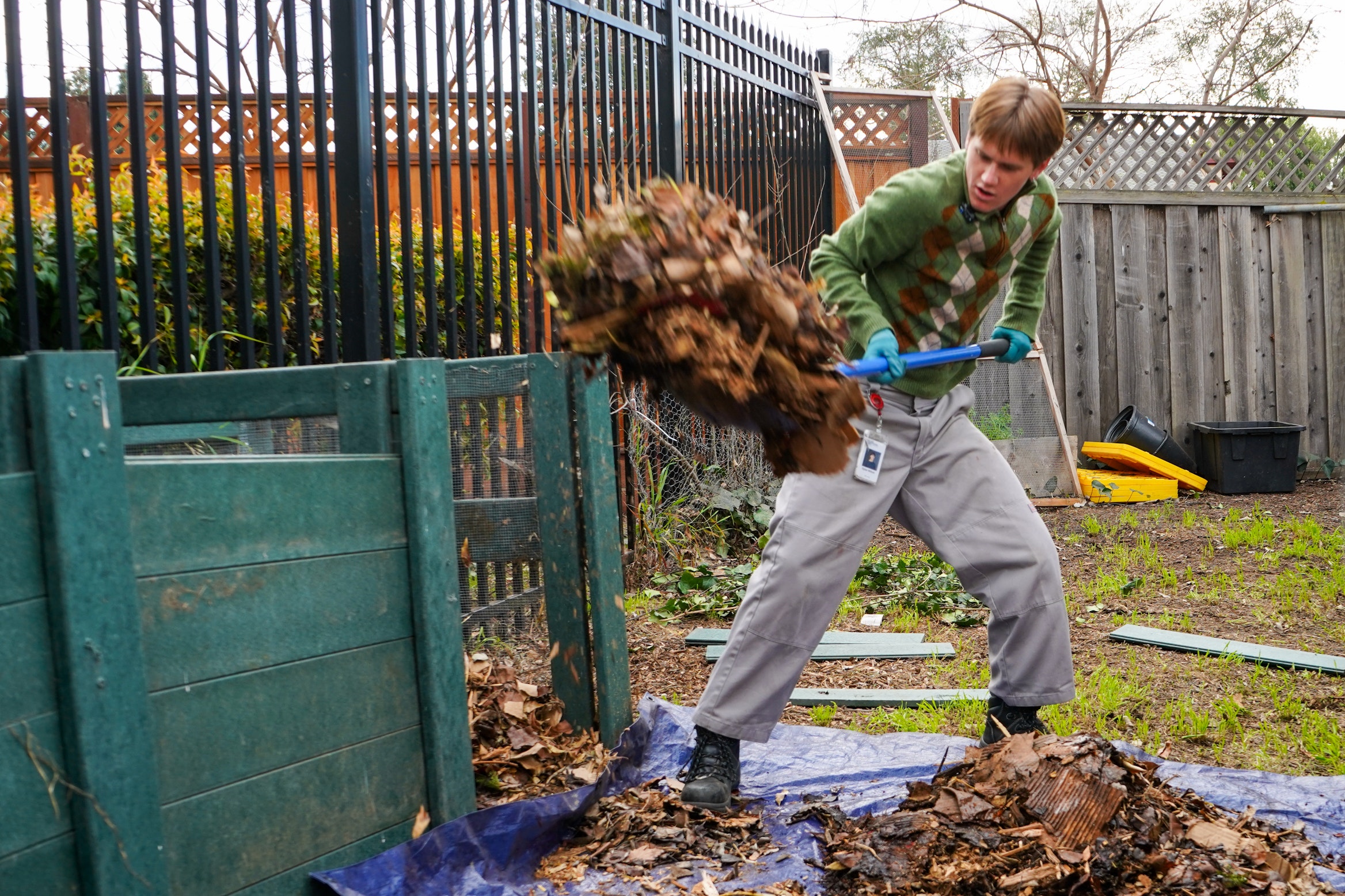
Next, turn your pile so that oxygen can get inside. After that, cure your pile (let it sit) for one to four months.
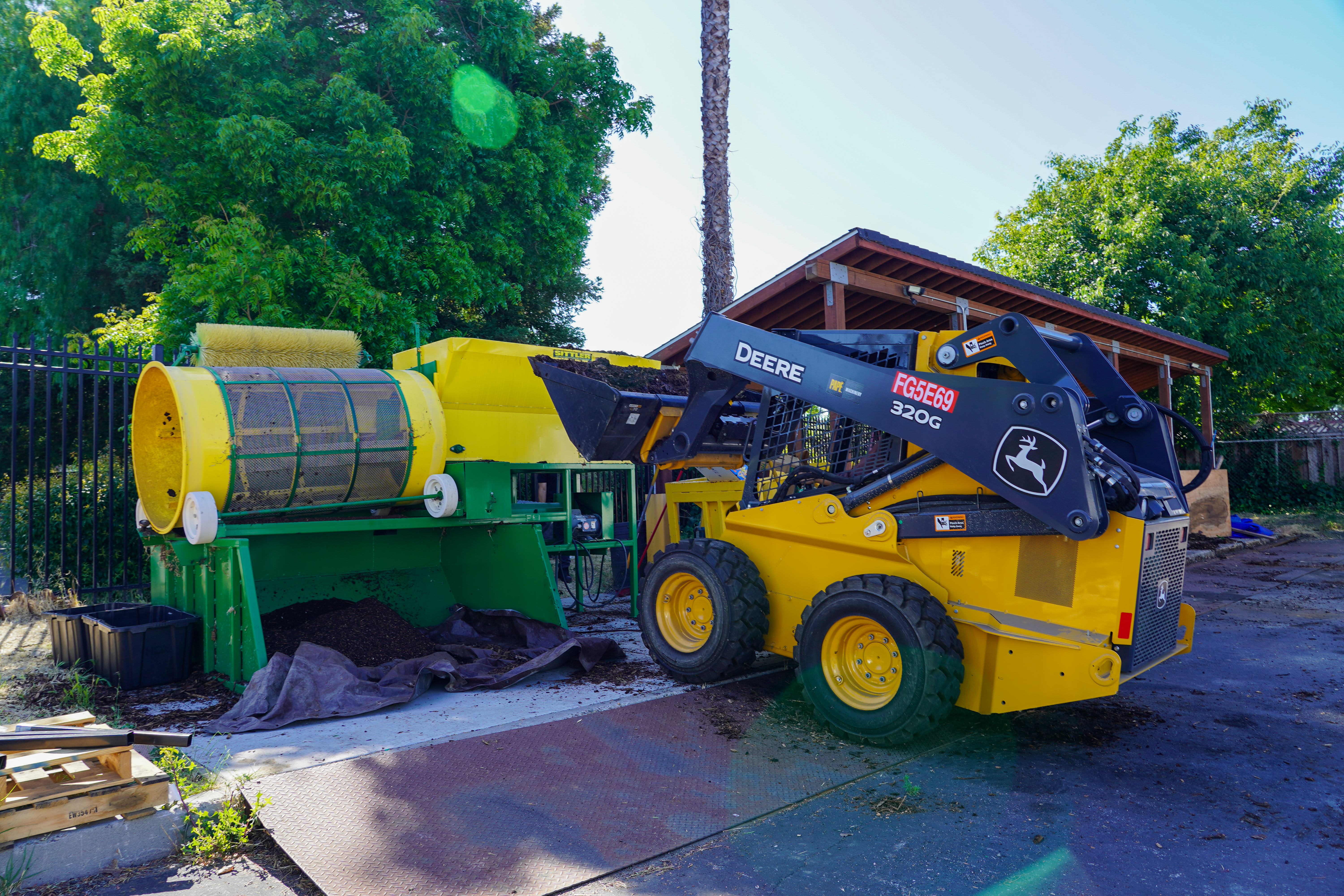
Finally, sift your compost!
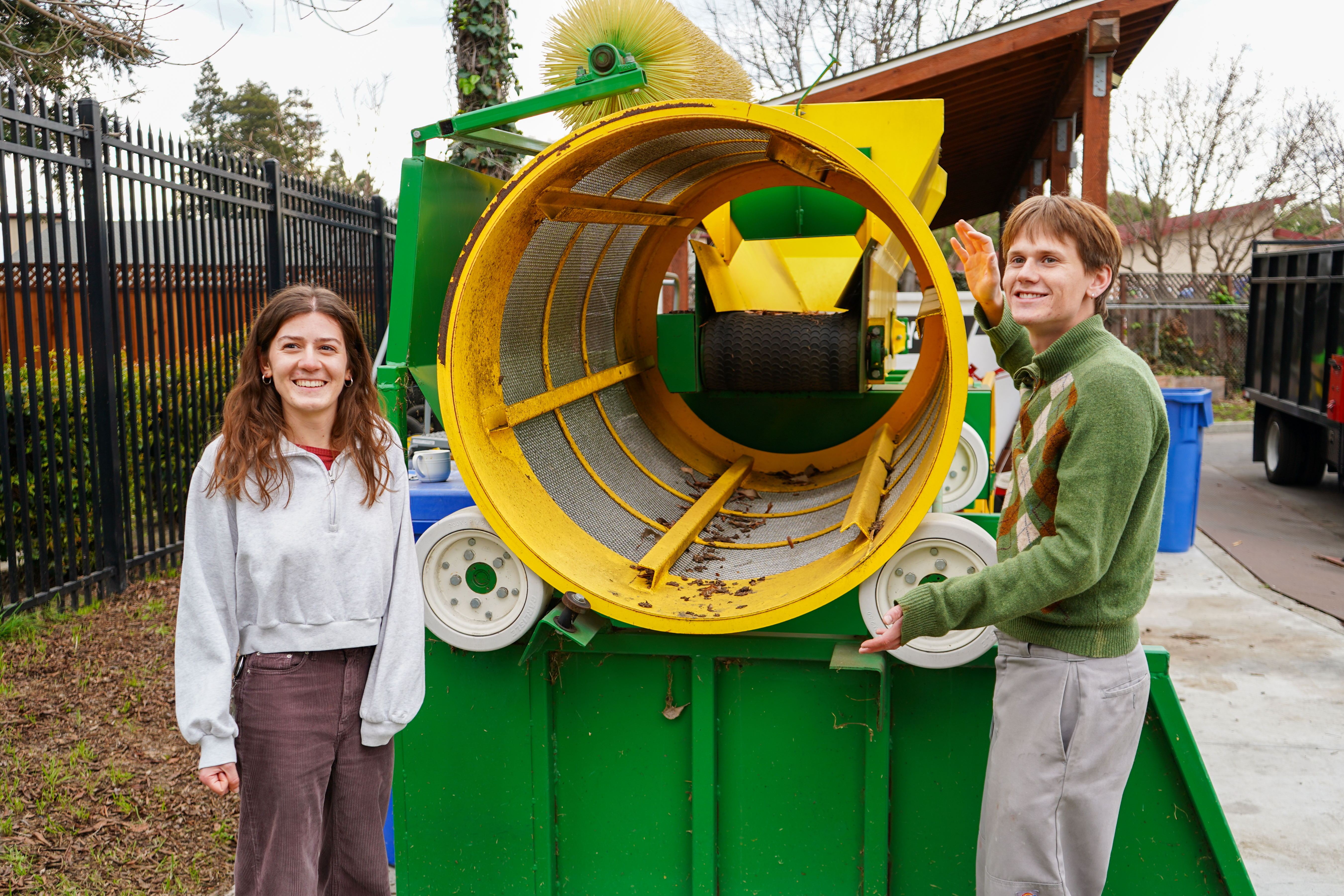
Sifting is the process of separating larger pieces of organic material from the finished compost. We use a sifter like the one pictured below. Compost is transported to the sifter via skid steer.
But why compost?
Composting is nature’s way of recycling. It's a rewarding way to turn your fruit, vegetable, and yard trimmings into a nutritious soil amendment that benefits the environment.
Compost is also a key tool in the fight against climate change!
Compost benefits the climate in a few different ways, including reducing greenhouse gas emissions at landfills, promoting the uptake of carbon dioxide by vegetation, and making our gardens more resilient to the effects of climate change.
Furthermore, composting reduces greenhouse gas emissions, sequesters carbon in the soil, contributes to the growth of crops that are more resilient to pests and disease, and increases water retention.
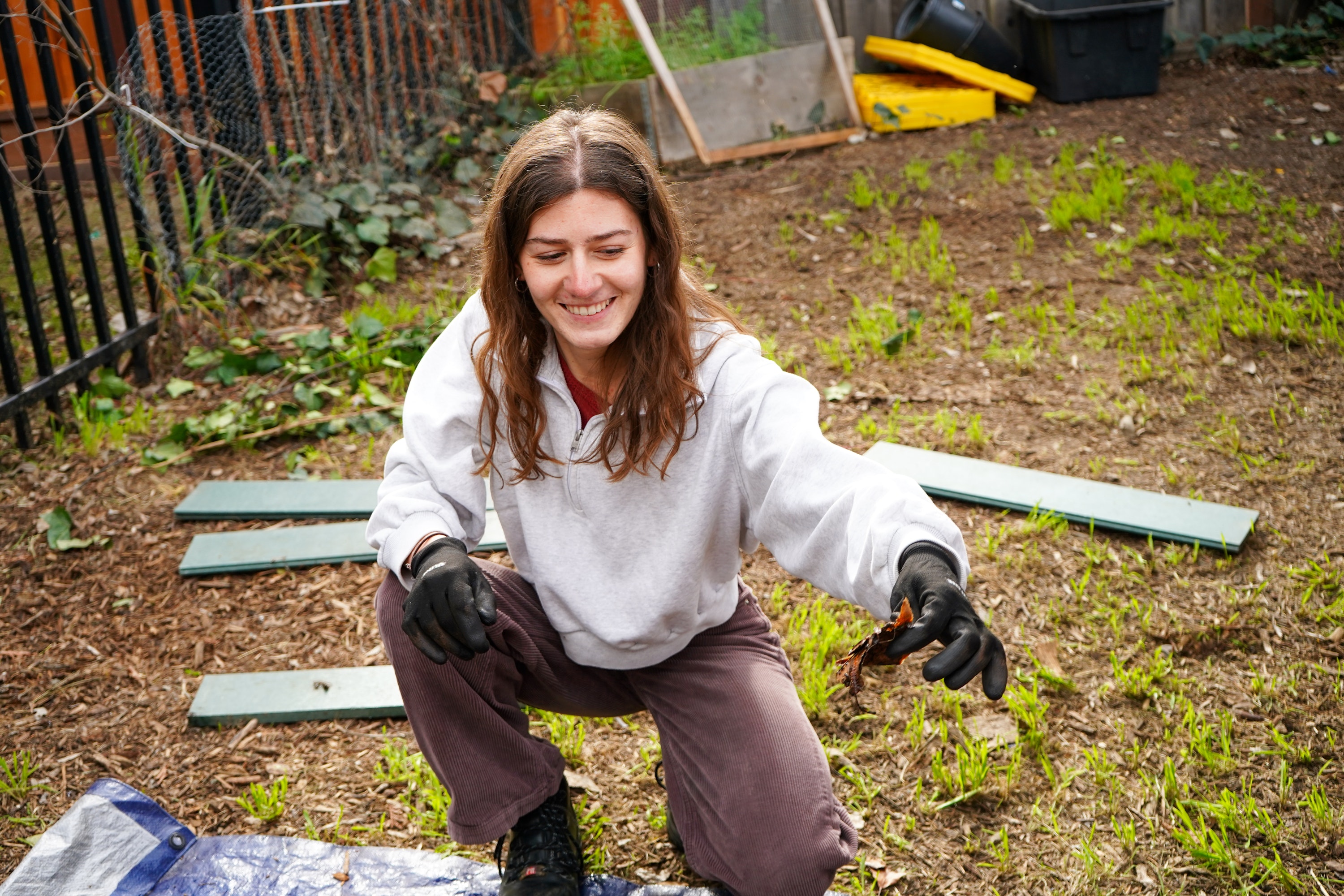
Watch the video below to follow along as our California Climate Action Corps fellows guide you on a tour of our compost station and show you how to make compost!