

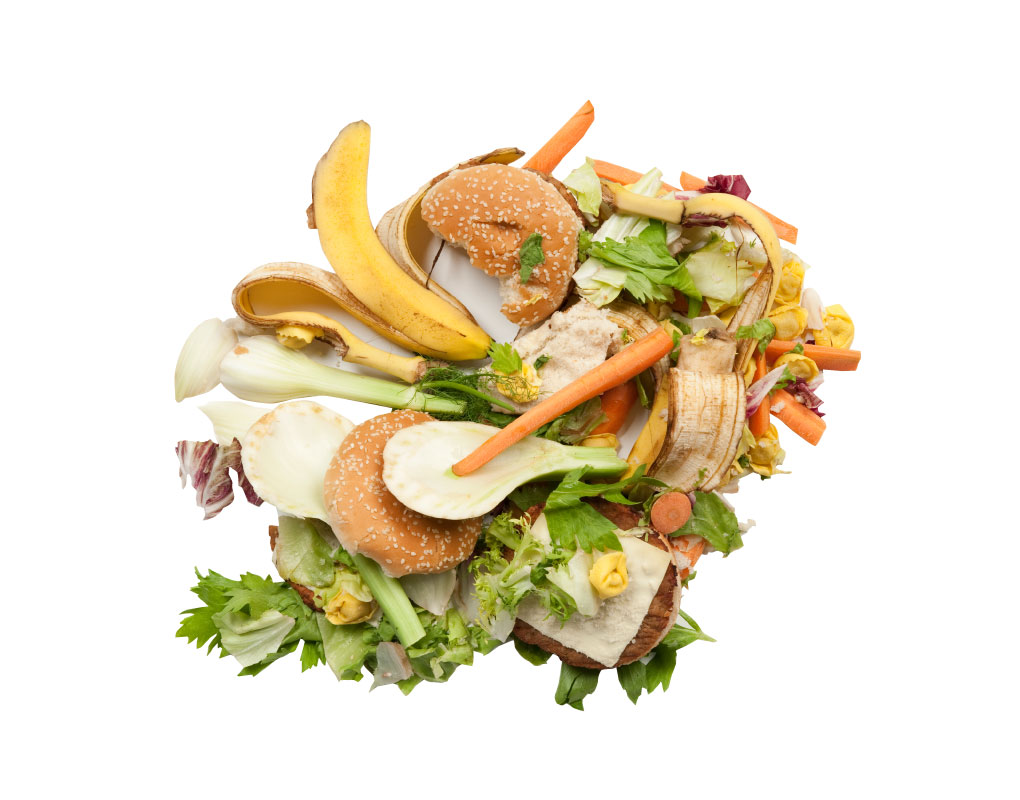
Food Waste
Zero Waste Silicon Valley collects food waste from all kitchens across the East Side Union High School District, ensuring that every high school is consistently supported in meeting California’s organics recycling requirements. On average, a California school produces between five and seven tons of food waste each year, depending on student enrollment, meal participation, and operational factors.
By collecting this material directly from each ESUHSD campus, our team helps reduce landfill disposal and supports schools in complying with SB 1383’s mandatory organic waste diversion standards. Once collected, the food scraps are hauled to Newby Island through our partnership with Republic Services, where they are processed into nutrient-rich compost that contributes to local soil health and circular-economy goals.
In addition to our school partnerships, we also host Zero Waste Saturday events, where we open our site to the public and allow community members to drop off their food scraps for composting. These events provide accessible opportunities for local residents to participate in organics recycling, extend the impact of our program beyond school campuses, and engage the community in waste sorting and waste reduction.
Community Composting Hub
We make compost! Residents are invited to drop-off their food scraps five days a week at our Berger Drive Campus, where it will be transformed into compost and used to enliven soils in local community gardens and green spaces. Free compost is given out during our Zero Waste Silicon Valley Saturday events.
SJCC+CS is in partnership with California Alliance Community Composting (CCAC) to work on the community composting hub at SJCC+CS, funded by CalRecycle and paid through the Community Composting for Green Spaces Project (CCGS) grant. This project allows us to produce up to 500 pounds quarterly, through our aerated composting system built here on our Berger Campus!
WHAT CAN I COMPOST?
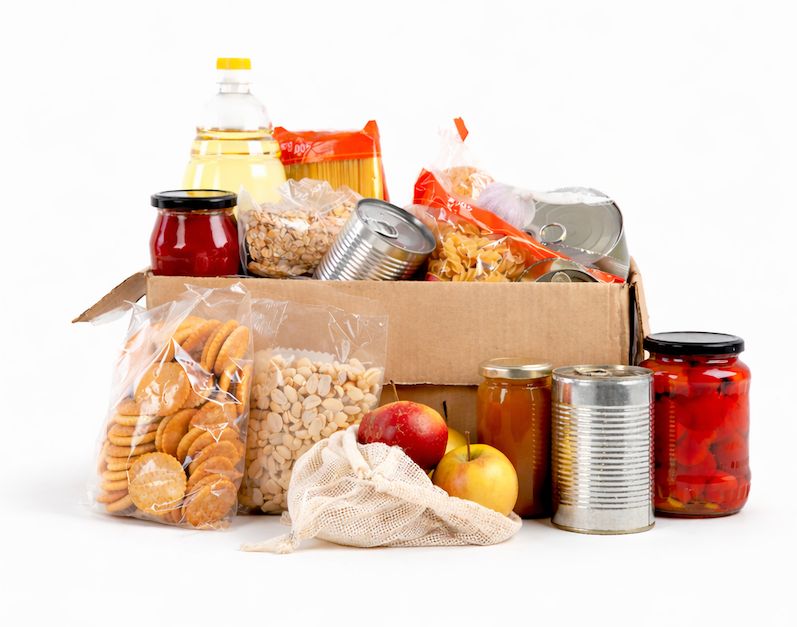
Accepted Materials: fruit & vegetable scraps, non-greasy food scraps (rice, pasta, bread, grains, cereal), coffee grounds & filters, tea bags, egg shells & nuts, cut flowers & houseplants, soiled brown paper products, potting soil.
Do Not Bring: meat, fish, bones, dairy, fat, oil, greasy food scraps, animal waste, charcoal, coconuts, insect-infested plants, plastics, twist ties, rubber bands, or receipts.
HOW SHOULD I STORE MY FOOD SCRAPS?
Food scraps can be collected in reusable containers, paper bags, or plastic bags. To reduce odors at home and at the collection sites, store items in the freezer or refrigerator. A layer of shredded newspaper at the bottom of your storage container also helps.
Related Case Studies
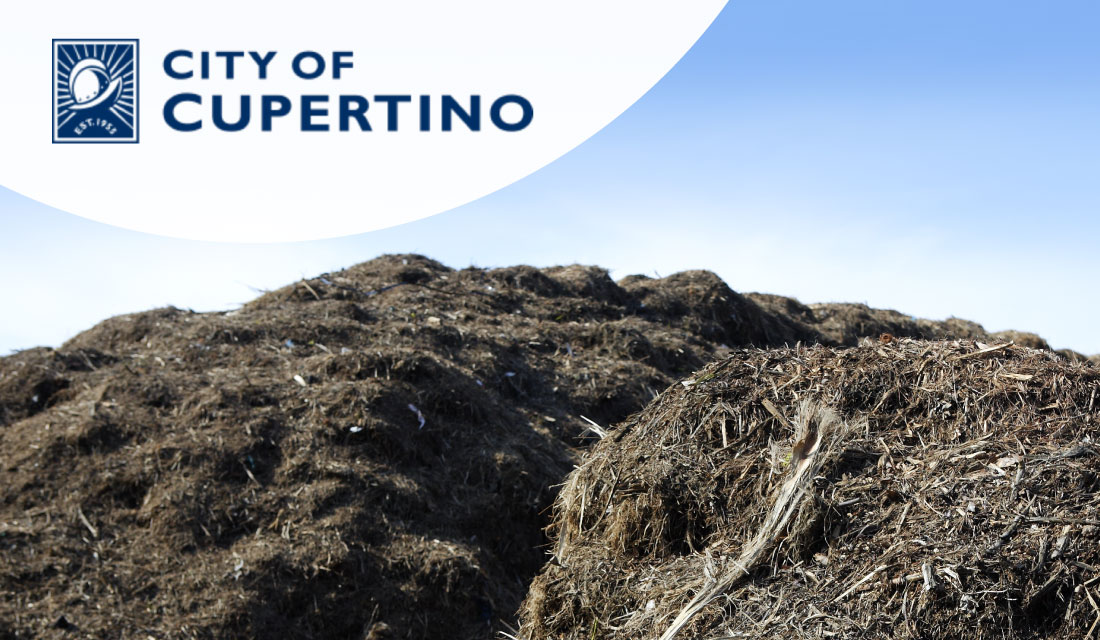
SJCC+CS is in partnership with the City of Cupertino at their compost distribution site. Zero Waste Silicon Valley corpsmembers serve as attendants that work at the Cupertino Compost Facility, where free compost is available to Cupertino residents between the hours of 8:00 am - 12:00 pm. The compost is made from residential food scraps and yard waste collected from Cupertino’s organics recycling program.
here to help
We’re here to answer any questions and are standing by to develop a unique solution for whatever challenge you’re facing.